01
ARKET
Provides clear product information and garment measurements, supporting customers when comparing sizes.
CLEAR PRODUCT INFORMATION
Selected supporting imagery generated using ChatGPT (OpenAI). All UX research, design and prototyping by Vendela Widahl.
UX / E-COMMERCE
Exploring how the online shopping experience can help customers feel more confident choosing the right size and fit.
UX/UI Designer
Individual Project
Figma / Adobe CC
2026
ABOUT THE PROJECT
This independent student UX project explores how COS could improve the online shopping experience by helping customers understand garment sizing, fit and appearance before making a purchase. The concept is not an official COS digital product and was developed independently for educational purposes using my own independently conducted user research and publicly available information. No confidential or proprietary COS data was used.
THE CHALLENGE
My research identified uncertainty around choosing the right size and understanding how garments will fit when shopping online. Participants highlighted sizing, silhouette and fit as factors that can make purchasing without trying a garment in store more difficult.
PROJECT GOAL
Create a clearer and more supportive online experience that helps customers make informed decisions before purchasing.
RESEARCH
My research focused on understanding how people choose sizing when shopping online, what causes uncertainty and what information could improve confidence.
Research participants expressed uncertainty when choosing the right size online, particularly when garment silhouettes and fits vary.
Participants wanted more information about how garments may look and fit across different body types.
Some participants preferred visiting a store to try garments on before making a final purchase.
Clearer fit guidance could reduce uncertainty and support purchase decisions online.
COMPETITOR ANALYSIS
A competitor analysis was conducted to understand how other fashion retailers communicate sizing and fit online, identifying opportunities for COS to create a clearer and more supportive experience.
Provides clear product information and garment measurements, supporting customers when comparing sizes.
CLEAR PRODUCT INFORMATIONUses detailed size charts and fit guidance to help customers understand which size may work best.
DETAILED SIZE GUIDANCECombines product imagery with sizing information to provide customers with additional context before purchasing.
VISUAL FIT CONTEXTOffers digital size recommendations designed to help customers choose a size based on personal information.
PERSONALISED RECOMMENDATIONSPERSONAS
Three personas were developed from the research to represent different behaviours, motivations and frustrations when shopping for clothing online.
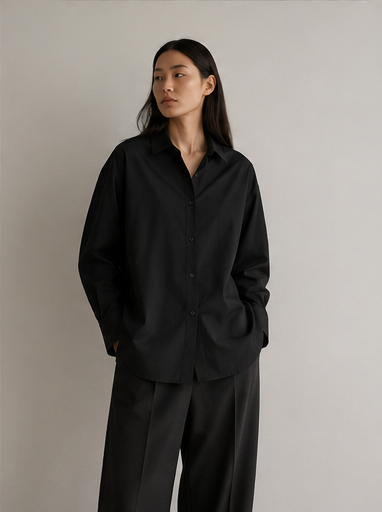
THE CONFIDENT SHOPPER
Emma enjoys shopping online but wants clear sizing information before committing to a purchase. She values speed, simplicity and confidence.
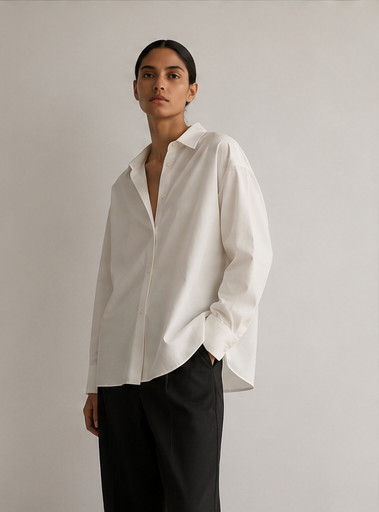
THE FIT-FOCUSED SHOPPER
Chloe pays close attention to silhouette and how garments will sit on her body. She wants more visual information before purchasing.
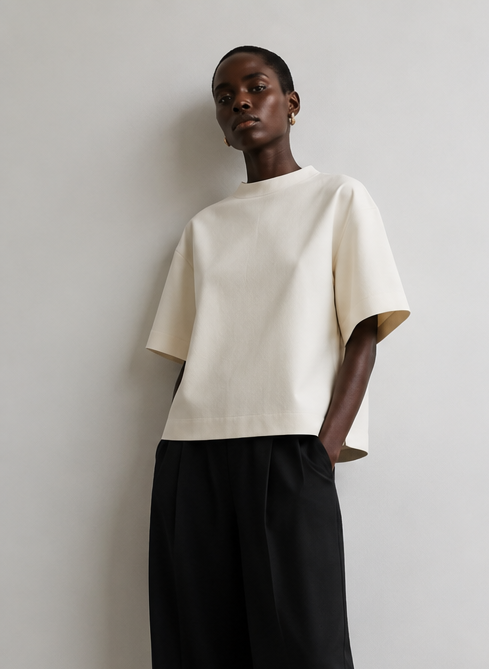
THE IN-STORE CHECKER
Olivia researches online but often visits a store before buying because she does not fully trust online sizing information.
CUSTOMER JOURNEY MAP
The customer journey highlights the key stages customers move through when shopping online, identifying where uncertainty around size and fit appears and where the experience could be improved.
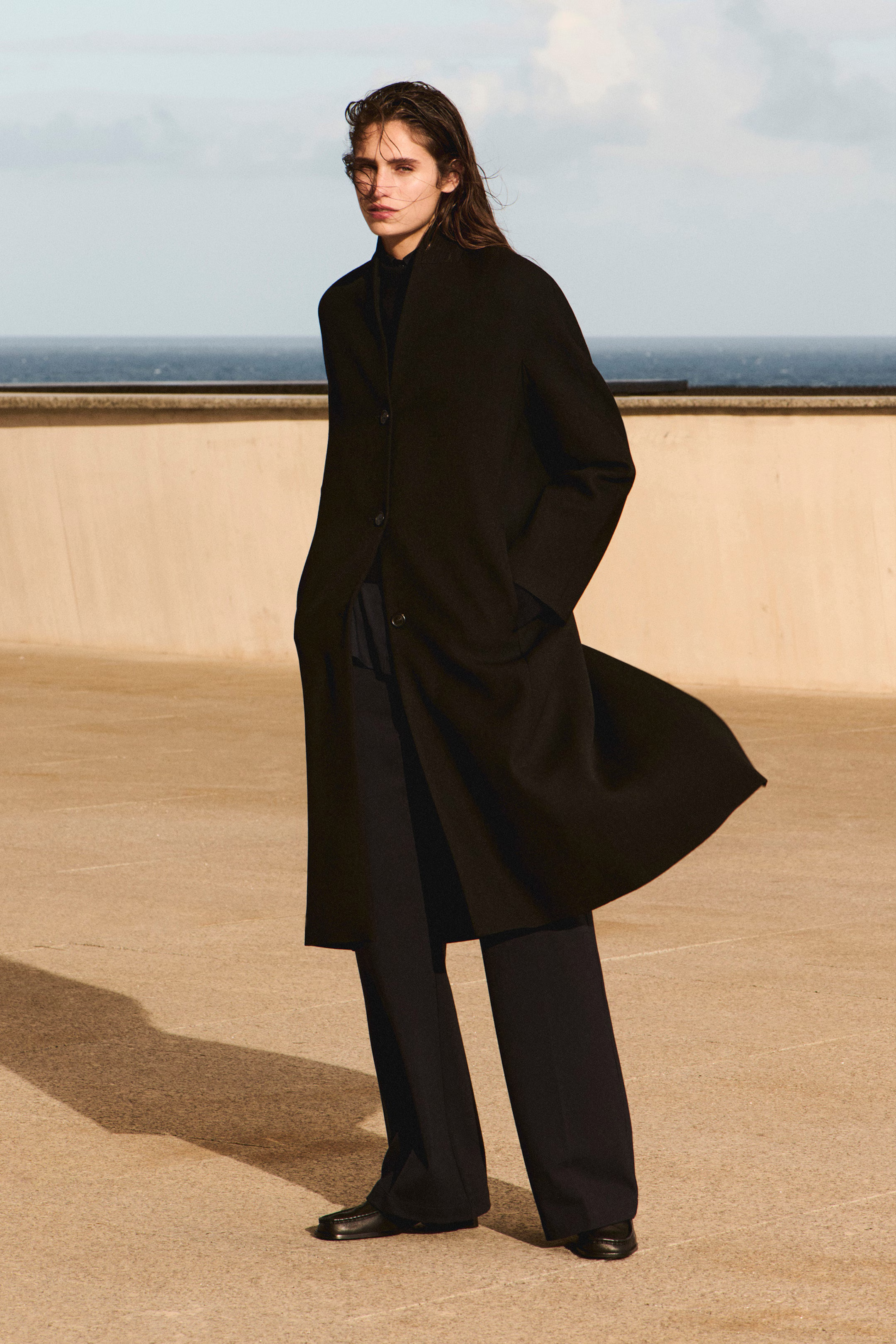 DISCOVER DISCOVER |  BROWSE BROWSE | 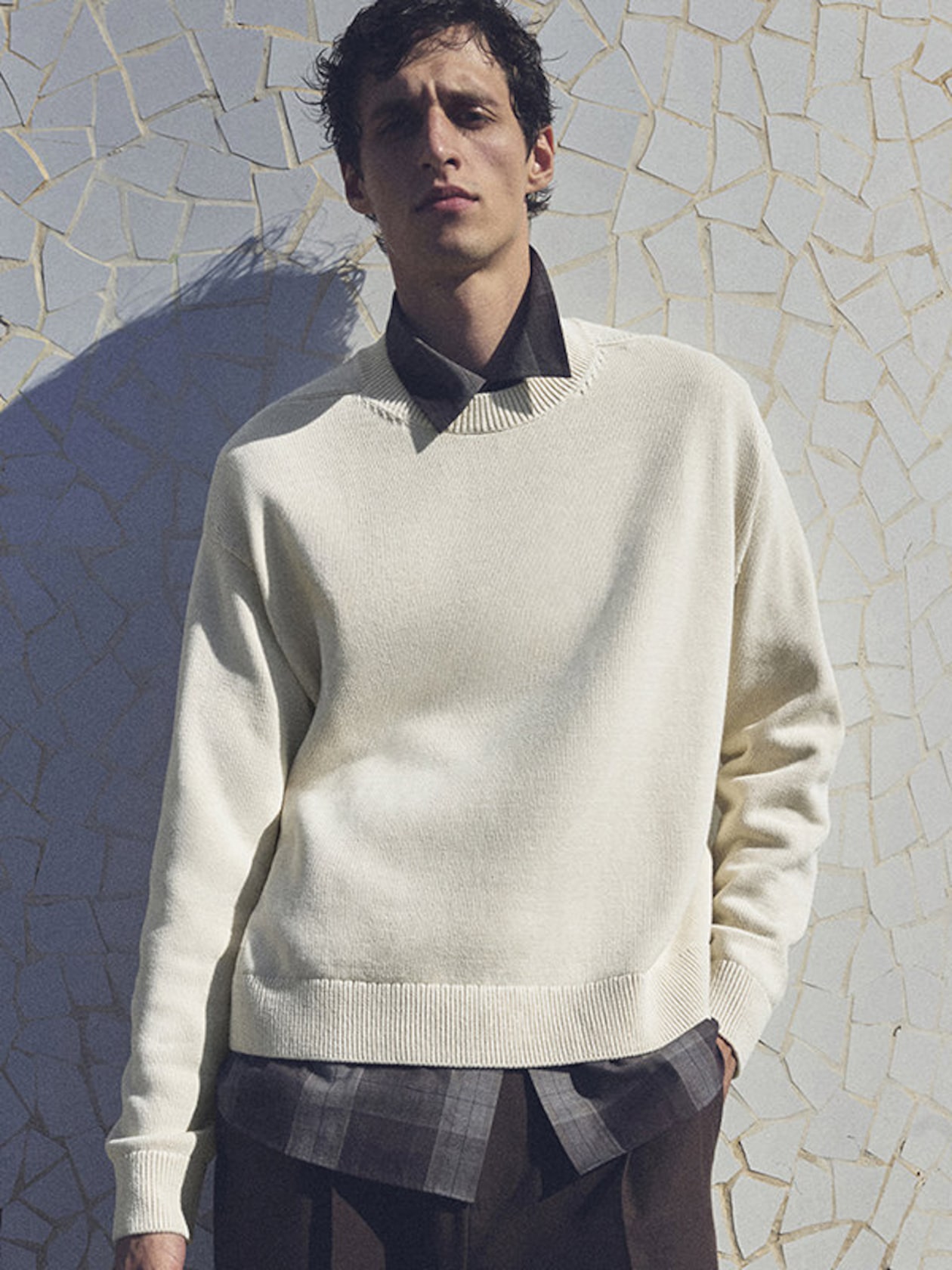 PRODUCT PAGE PRODUCT PAGE | 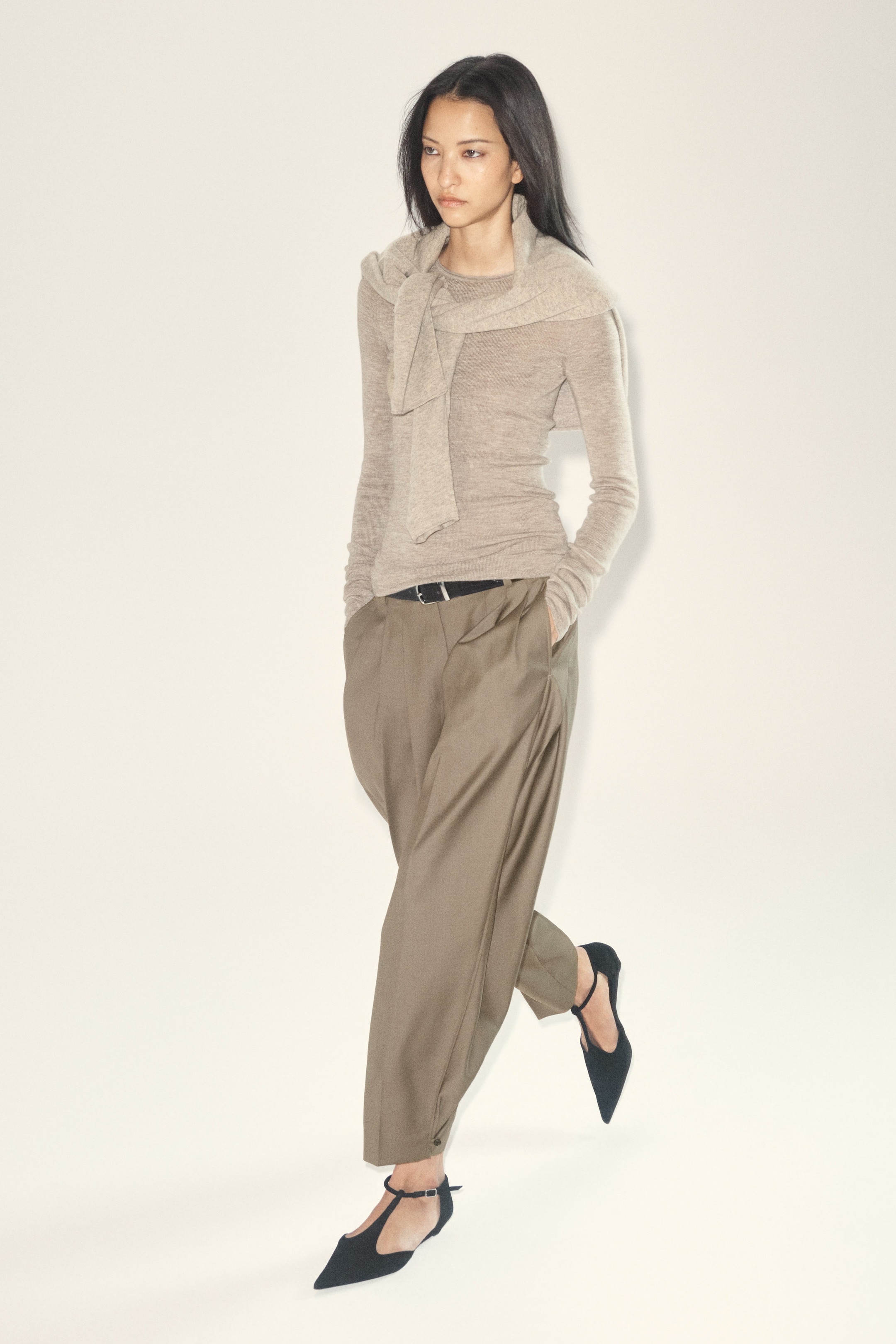 SIZE SELECTION SIZE SELECTION | 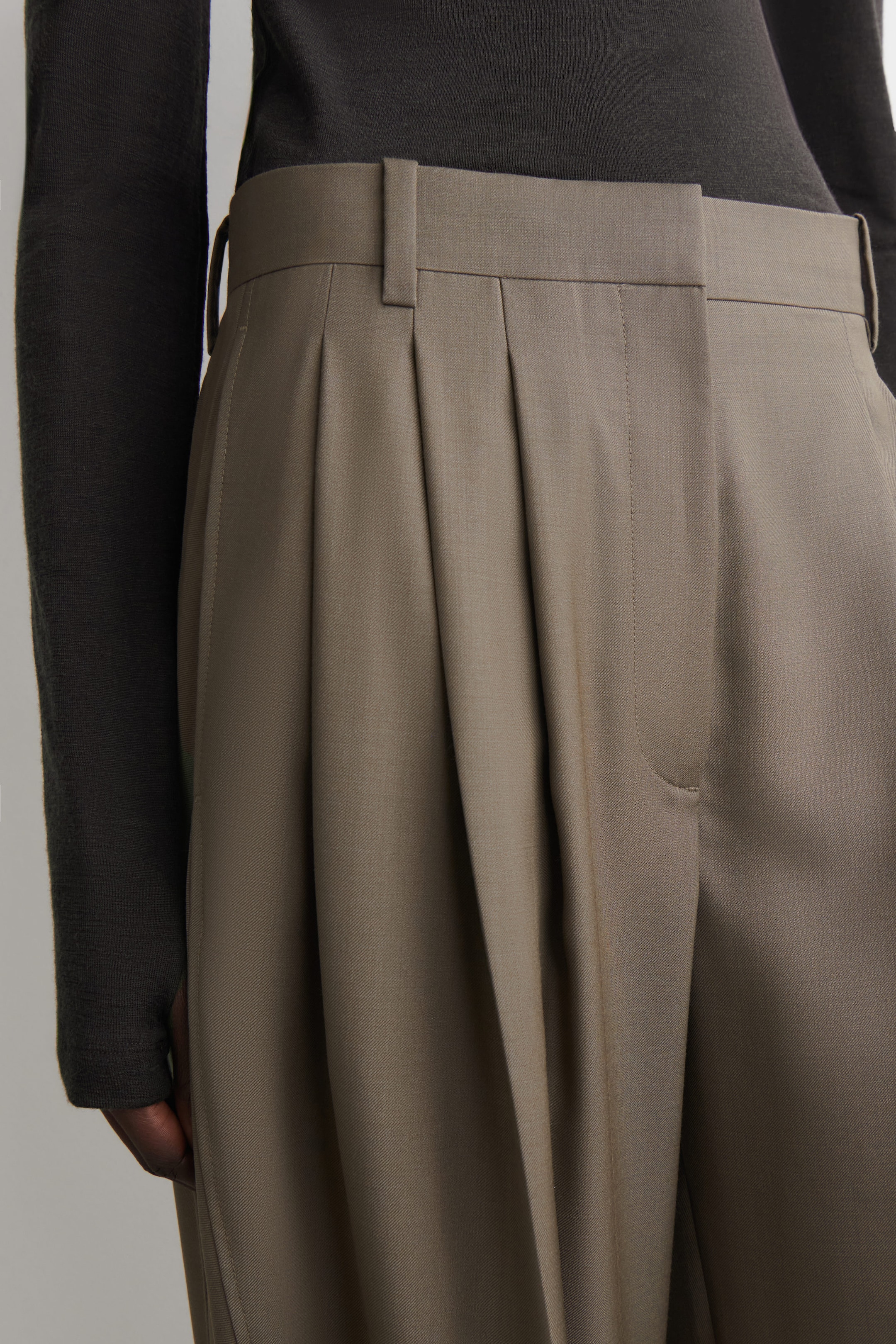 PURCHASE PURCHASE | |
|---|---|---|---|---|---|
| ACTIONS | Searches for clothing or enters the COS website. | Browses categories and compares different garments. | Reviews imagery, product details and available sizes. | Decides which size is most likely to fit. | Adds the garment to bag and completes checkout. |
| THOUGHTS | “I want something that suits my style.” | “Which shape or fit will work best for me?” | “How will this actually look on my body?” | “Should I choose my usual size or size down?” | “I hope I picked the right size.” |
| PAIN POINTS | Limited guidance before entering the product journey. | Fit can be difficult to understand from category imagery alone. | Product imagery may not communicate enough about silhouette and fit. | Uncertainty when comparing different garment cuts and silhouettes. | Risk of returns or needing to visit a store. |
| OPPORTUNITIES | Introduce clearer fit guidance earlier in the journey. | Add stronger fit indicators while browsing. | Show more body, fit and garment-specific information. | Provide personalised size recommendations. | Reinforce confidence before completing the purchase. |
DESIGN GOAL
The design direction focused on reducing uncertainty by giving customers clearer, more relevant information about garment sizing, silhouette and fit throughout the online shopping journey.
INTERACTIVE PROTOTYPE
Click through the prototype to explore the proposed COS size and fit experience.
USABILITY TESTING
I tested the prototype with five participants through moderated think-aloud sessions. Participants completed three tasks while I observed how they navigated the experience, which tools they used, where they hesitated and what helped them feel more confident.
My Size became the core sizing tool across the testing journey.
Three participants independently explored additional sizing information after receiving a recommendation.
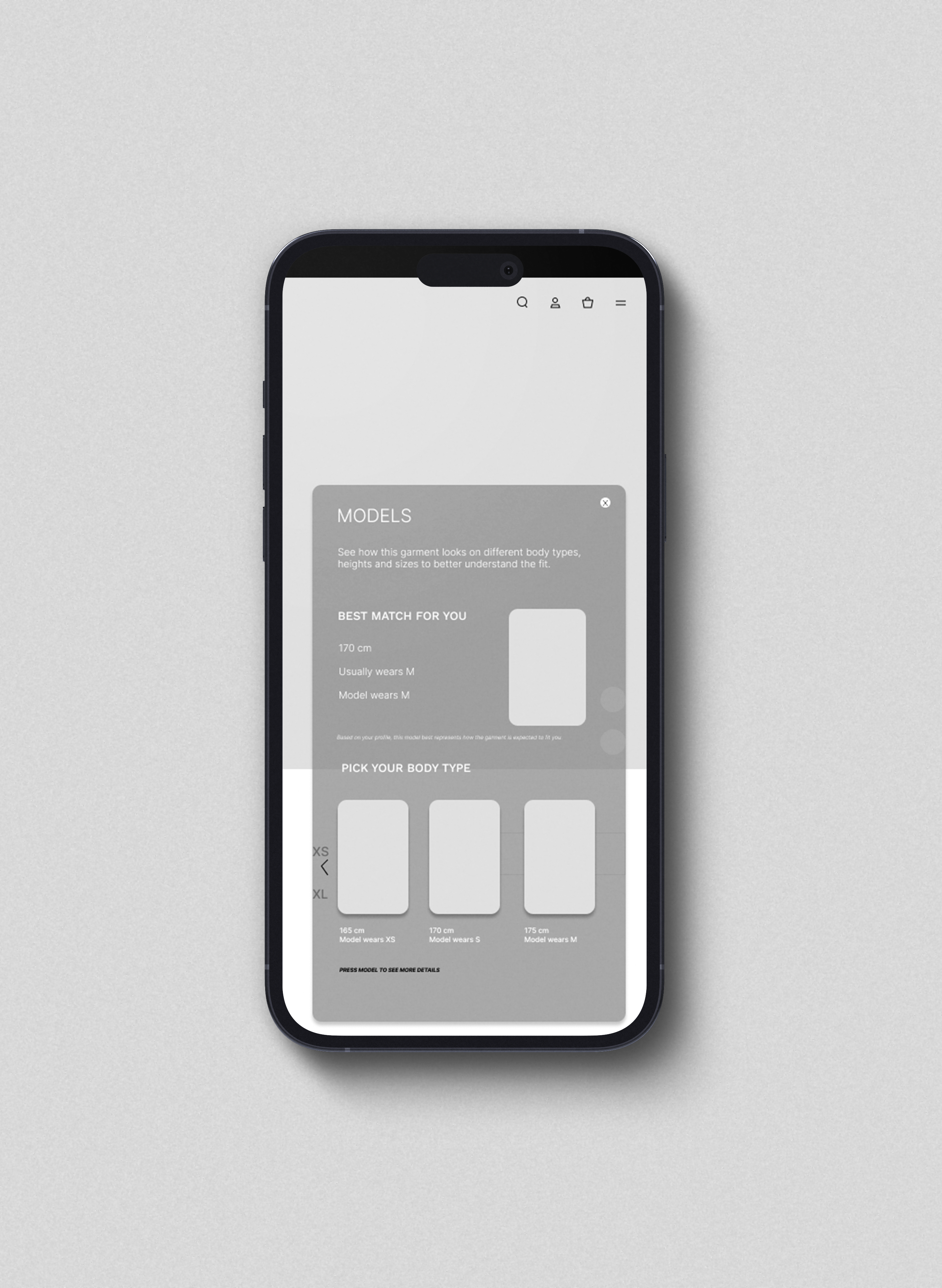
Users compared model height, size, body type and garment fit to better understand their own fit.
Testing also revealed friction around sign-in, height selection, Previous Purchases and prototype navigation.
ITERATION
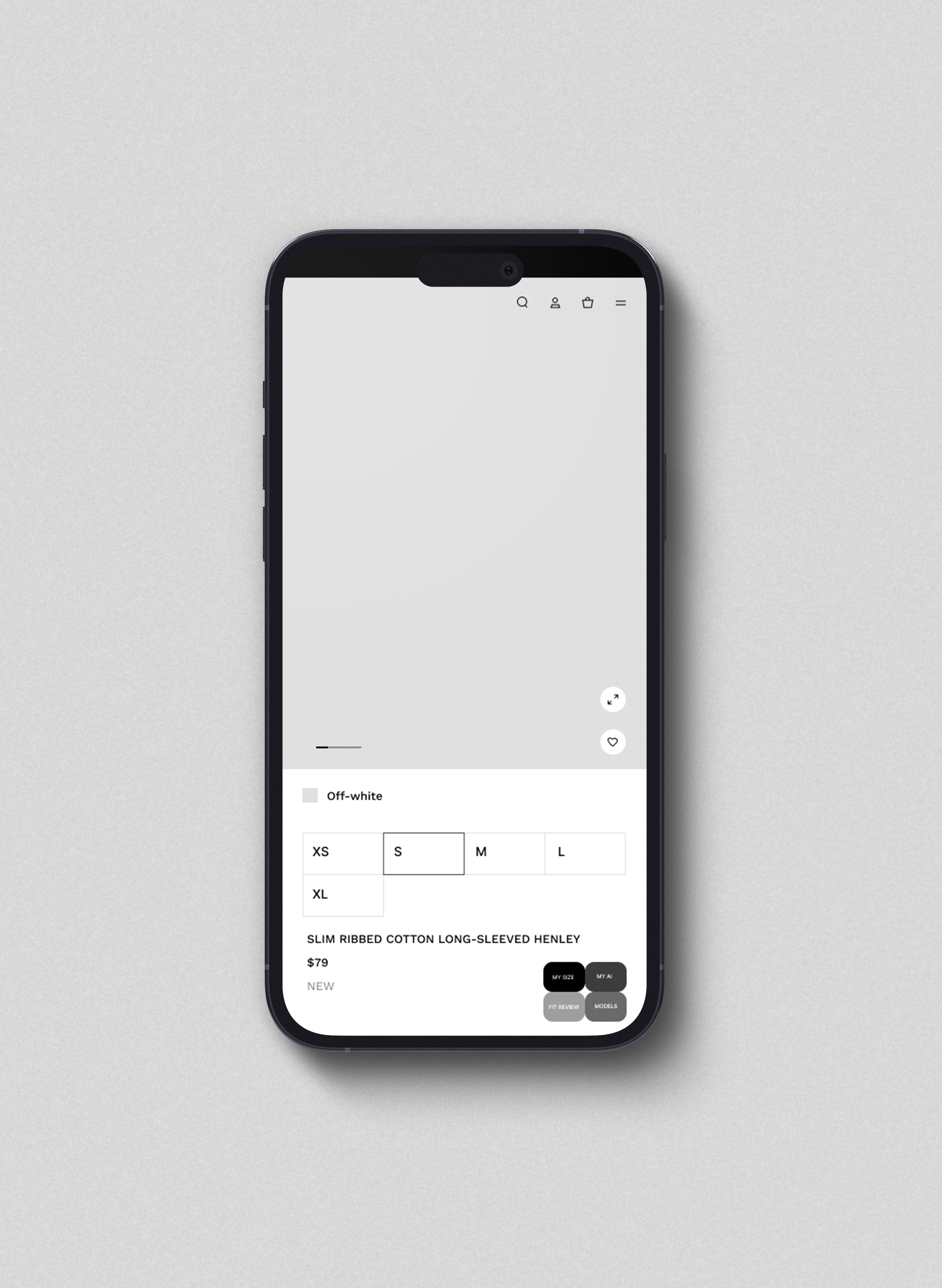
Testing showed that My Size was the most consistently used tool, but presenting all four features equally made the starting point less clear.
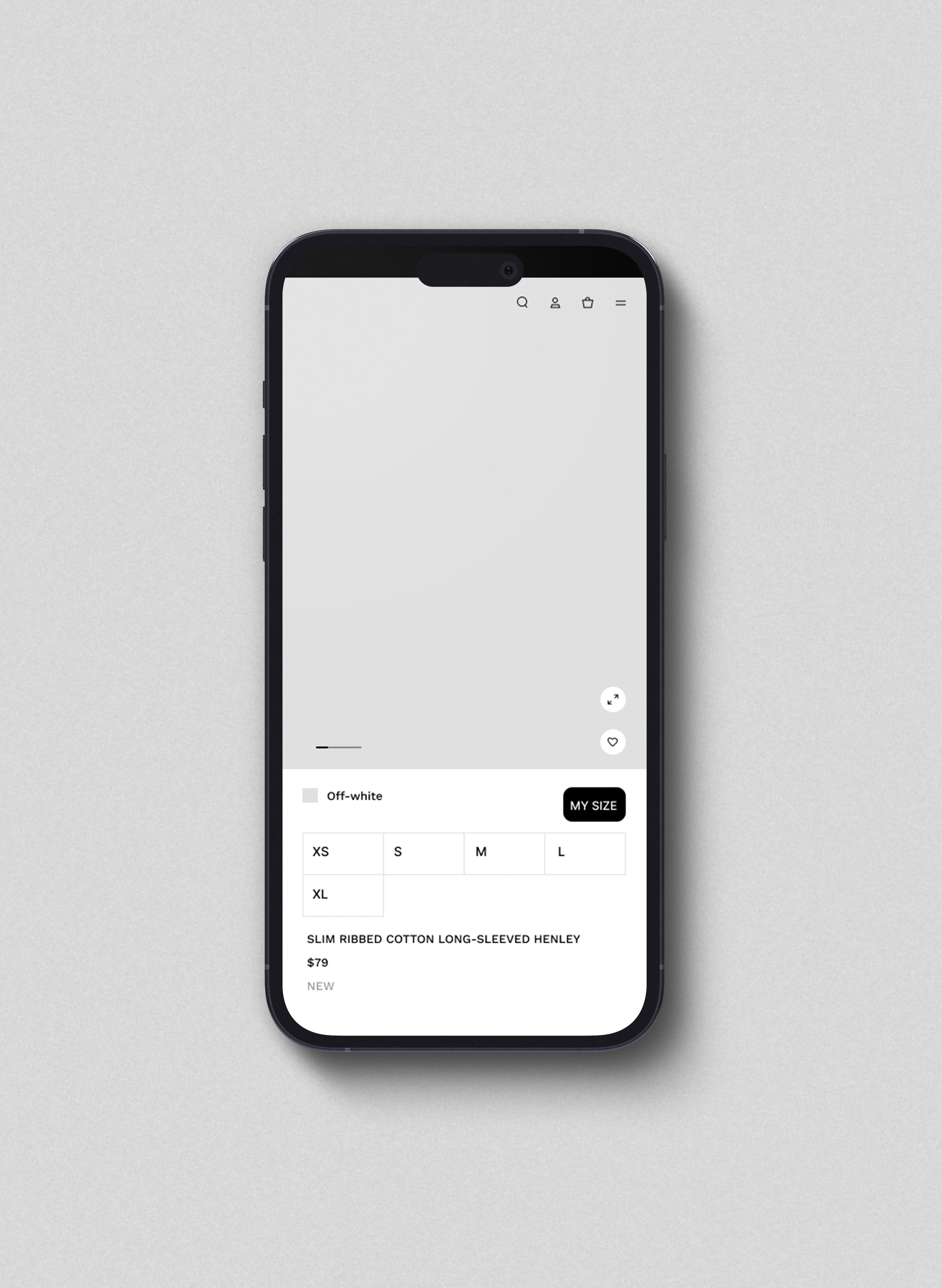
I made My Size the primary action and introduced the supporting tools afterwards, creating a more guided experience.
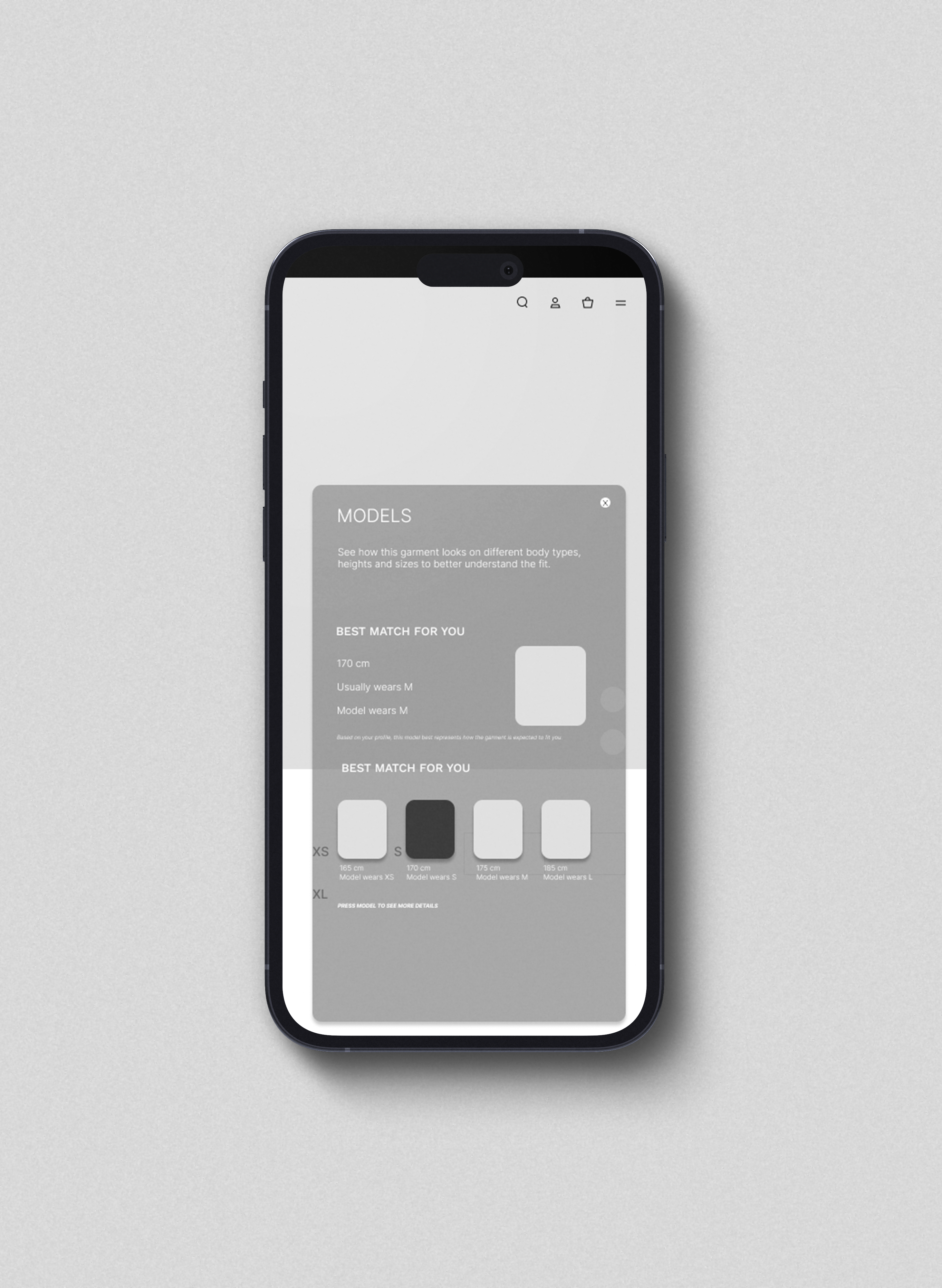
4/5 participants used Models to compare fit. I increased the size and prominence of the model imagery to make visual comparison easier.
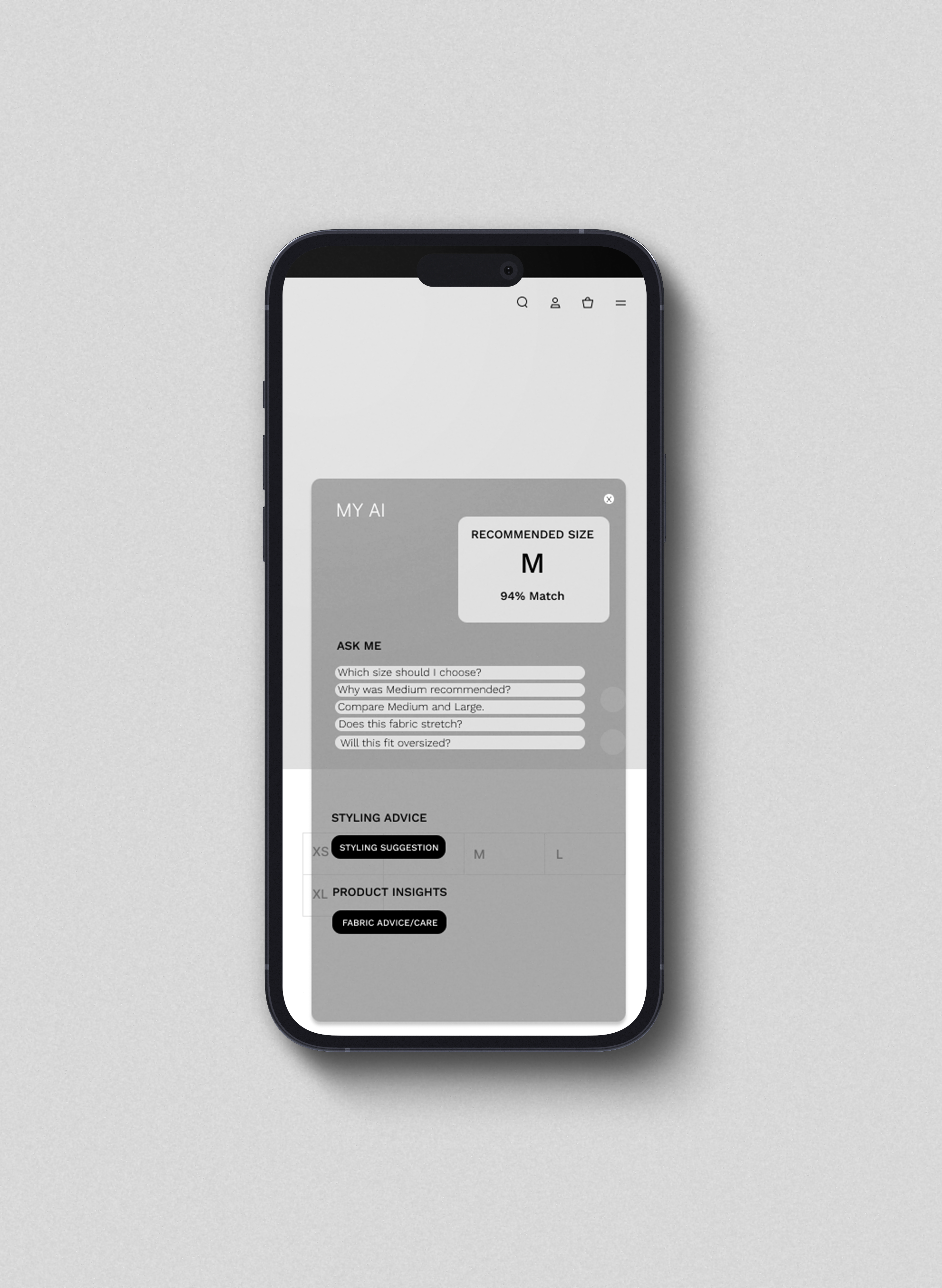
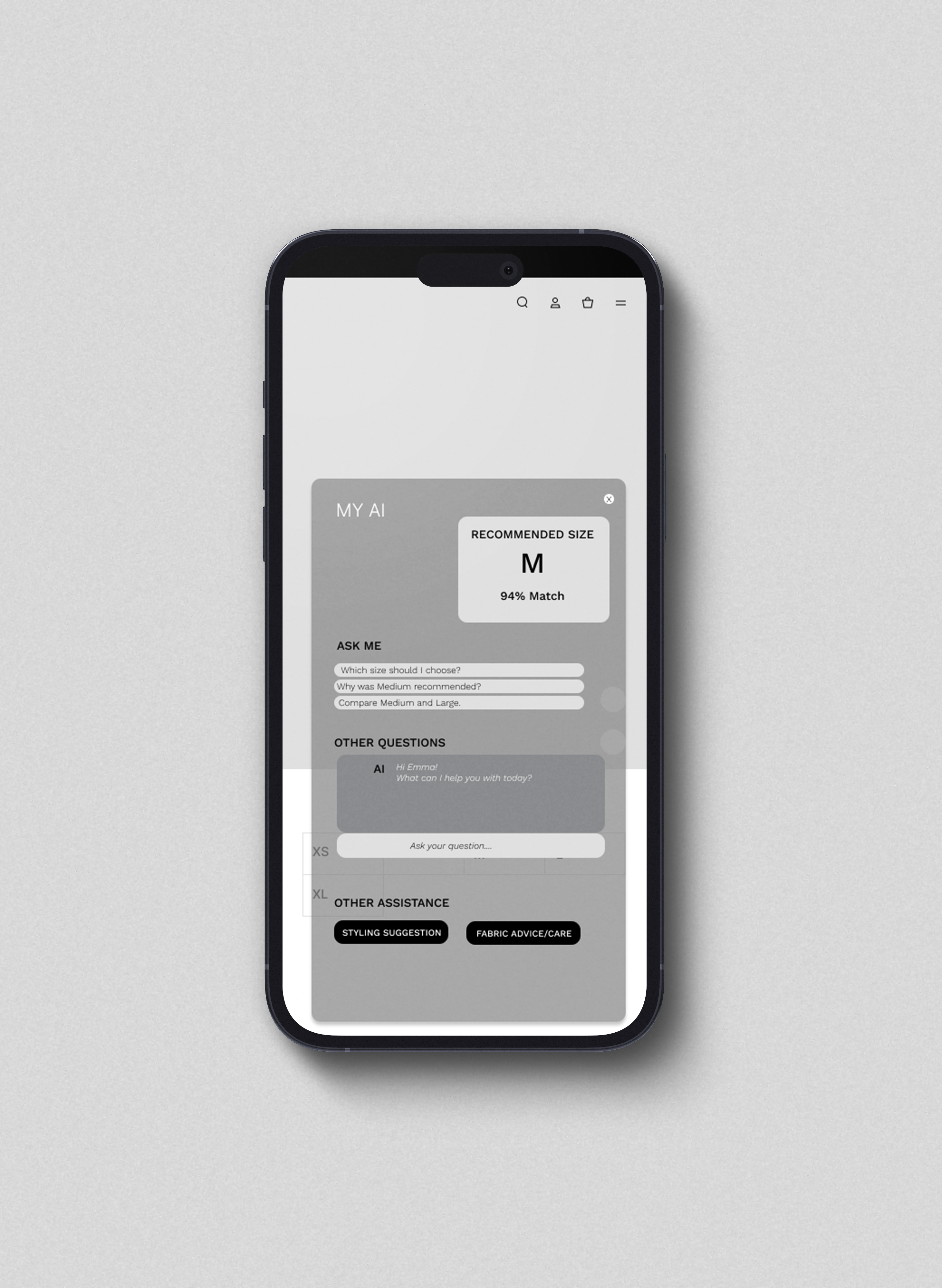
My AI was useful for some participants but its purpose was not always immediately clear. I reduced the suggested questions and added a chat input to make the feature more flexible and easier to understand.
FINAL PROTOTYPE
Following usability testing, the final prototype brings the revised hierarchy, sizing tools and interactions together into one more guided experience.
REFLECTION
Usability testing showed me that improving confidence is not simply about giving users more sizing information. While participants valued having different tools available, I learned that unclear hierarchy and navigation can create new friction. The testing shifted my focus towards simplifying the experience and creating a clearer journey, rather than adding more features. This led to a more guided Size Hub, with My Size as the primary entry point and supporting tools available when users need extra reassurance.
If I continued the project, I would retest the revised prototype with new users and further explore how personalised AI support could work within a real shopping experience.