Prevalence
1 in 10 women are affected by PCOS
PCOS affects approximately 1 in 10 women globally.
This statistic is based on global PCOS research and reflects widely reported prevalence rates.










A data visual story about
What is PCOS?
Polycystic Ovary Syndrome (PCOS) is a hormonal condition that can affect periods, hormones, fertility, and overall health. Its symptoms and impact vary from person to person.
These insights are data from PCOS research and reflect commonly reported symptoms and varied lived experiences.
Prevalence
PCOS affects approximately 1 in 10 women globally.
This statistic is based on global PCOS research and reflects widely reported prevalence rates.
Symptoms
Irregular periods affect around
70–80% of individuals with PCOS.
Based on PCOS research and commonly reported symptoms.
Hormones
PCOS is linked to hormonal imbalance, including elevated androgen levels, which can affect the body in complex and unpredictable ways.
Based on clinical research on PCOS and hormonal imbalance.
Long-term impact
When PCOS is not recognised or managed, it can be linked to longer-term health and fertility impacts.
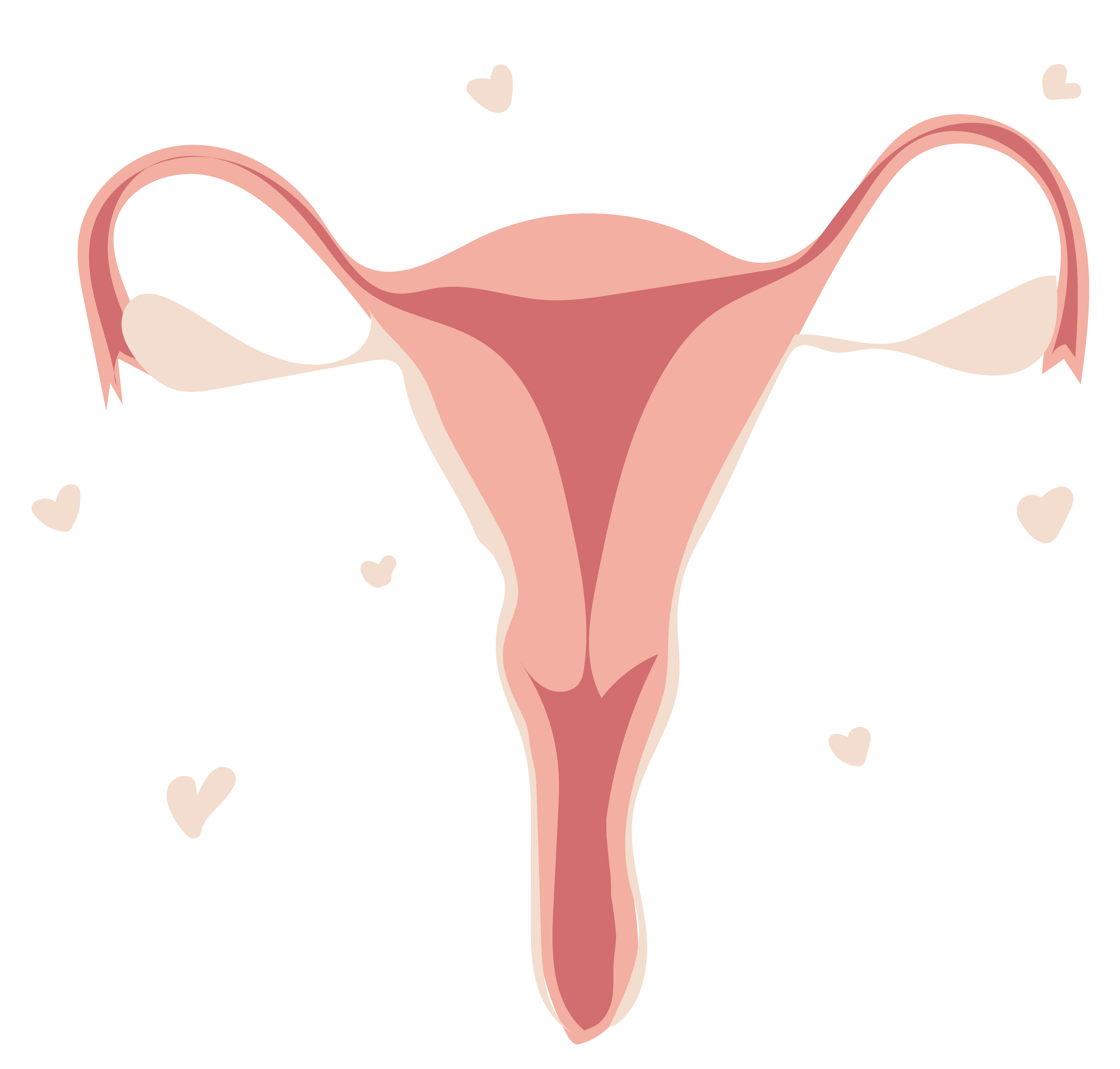
Based on WHO and international PCOS research on long-term health outcomes.
What can change
The goal is not to scare, but to help more women recognise the signs earlier, feel less alone, and better understand their bodies.
remain undiagnosed
Based on WHO and international PCOS research on early intervention and long-term outcomes.